Chia Seeds Every Day: Benefits, Side Effects, and Safe Use
By J.D. Wilson, PN1
Last reviewed: May 2026
Updated May 2026: This article was substantially rebuilt with newer evidence, clearer safety guidance, and a more practical daily-use framework. The original publish date is preserved.
Health disclaimer: This content is for informational purposes only and is not a substitute for professional medical advice, diagnosis, or treatment. Always consult a qualified healthcare provider before making changes to your diet, supplement routine, or exercise program.
Our articles follow the Fitsnip How We Research process and Editorial Policy.
Quick Summary
Chia seeds can be a useful daily food because they add fiber, plant omega-3 fats, minerals, and texture to meals. Their strongest practical benefits are fullness, digestion support, and meal consistency. Claims about belly fat, blood sugar, cholesterol, and blood pressure need more caution. Start small, soak them, and use them as part of a balanced diet.
Jump to Sections
Are chia seeds worth eating every day?
The Chia Seed Reality Scale
The strongest benefits of chia seeds
What the evidence says about chia seed health claims
Chia seed side effects and who should be careful
How much chia seed should you eat per day?
FAQ
Are chia seeds worth eating every day?
Chia seeds can be worth eating every day when the serving is modest, the seeds are used safely, and the rest of the diet is built around real meals. Their best use is simple: they help add fiber, texture, and meal satisfaction without requiring a complicated nutrition plan.
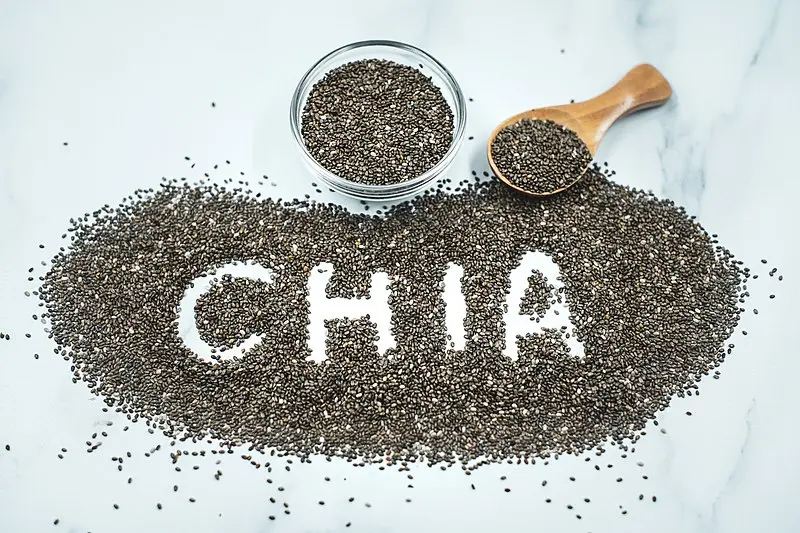
A 2-tablespoon serving, roughly 1 ounce, contains about 140 calories, 9 grams of fat, 10 grams of fiber, 5 grams of protein, and 14 percent of the daily value for calcium, according to the Academy of Nutrition and Dietetics. Chia seeds also provide alpha-linolenic acid, or ALA, a plant-based omega-3 fat.
That profile makes them useful, especially for people who struggle to build high-fiber meals. Chia seeds can go into oatmeal, yogurt, smoothies, chia pudding, overnight oats, or fruit bowls without changing the meal much.
The problem starts when chia seeds are treated like a 30-day body transformation tool.
Their benefits are usually modest and practical. They can help a meal feel more filling. They can raise fiber intake. They can make breakfast easier to repeat. They do not target belly fat, override calorie intake, replace protein, or fix blood pressure, cholesterol, or blood sugar on their own.
For a similar food-specific breakdown, Fitsnip’s guide on blueberries every day looks at how a simple daily food can support a better eating pattern without turning one ingredient into a cure-all.
Coaching check: Treat chia seeds as a fiber and texture tool. If they help you build a breakfast that keeps you full longer and is easy to repeat, they are doing their job.
The Chia Seed Reality Scale
Chia seeds often get pulled into “superfood” language. That can make a useful food sound more powerful than the evidence allows.
Harvard T.H. Chan School of Public Health describes “superfood” and “functional food” as unregulated terms that are more useful in marketing than in serious nutrition guidance. That framing is important. Chia seeds can improve the quality of a meal, but no single food replaces a varied eating pattern.
Here is the cleaner way to think about chia seeds.
Strongest everyday case: fiber, fullness, and digestion
This is where chia seeds make the most sense. They add a meaningful amount of fiber in a small serving and can make meals feel more satisfying.
Strong nutrition case: minerals and plant omega-3 fats
Chia seeds provide fiber, calcium, magnesium, phosphorus, zinc, protein, and plant omega-3 fats. Cleveland Clinic lists one ounce of chia seeds as contributing fiber, protein, magnesium, phosphorus, calcium, zinc, iron, and several B vitamins.
Possible but mixed: cholesterol and blood pressure
Chia seeds may support a heart-healthy eating pattern, but the human research is mixed. Think of them as a supportive food, not a corrective tool.
Often overstated: weight loss and belly fat
Chia seeds may help with fullness because they are high in fiber. They do not directly burn belly fat.
Possible but limited: blood sugar control
Fiber can slow digestion when chia seeds are included in a meal. Chia seeds are still a food, not a diabetes treatment.
Weak claim zone: mental clarity, immunity, ovulation, and endurance
These claims are common online, but they are usually stronger than the evidence. Chia seeds can improve the structure of a meal. Hormonal, immune, mental, and performance claims need much stronger proof.
Safety filter: dry seeds, digestion, medications, and medical conditions
Chia seeds absorb liquid and expand. Start small, soak them or mix them into moist foods, and use extra caution if you have swallowing issues, digestive problems, medication use, or diagnosed medical conditions.
This is the same general lens Fitsnip uses for single-food claims. The goal is to keep useful foods useful without letting wellness language stretch them into something they cannot deliver. For another example, the mango health benefits guide uses portion size, meal context, and blood sugar realism instead of treating mango as either dangerous or magical.
The strongest benefits of chia seeds
Chia seeds are high in fiber
The strongest practical benefit of chia seeds is fiber.
One ounce of chia seeds provides about 10 grams of fiber, according to the Academy of Nutrition and Dietetics. For such a small serving, that is a serious contribution.
Fiber supports stool bulk, digestive regularity, and fullness. Harvard Health notes that chia seeds form a gel-like substance in the stomach, which can increase fullness and reduce appetite.
Larger servings can backfire. A sudden fiber jump can cause bloating, gas, constipation, diarrhea, or stomach discomfort, especially when fluid intake is low.
If your current diet is low in fiber, start with a smaller amount. A teaspoon or tablespoon is enough at first. Increase only if digestion feels normal.
Chia seeds can make meals more filling
Chia seeds absorb liquid and thicken whatever they are mixed into. This is why chia pudding works. It is also why chia seeds can make yogurt, oatmeal, smoothies, and overnight oats feel more substantial.
That texture can help with appetite management. A bowl of Greek yogurt with berries and chia seeds will usually hold someone better than a low-protein, low-fiber snack.
The benefit comes from the full meal structure:
- Protein
- Fiber
- Fluid
- Food volume
- A meal you can repeat without much friction
For fat loss, that pattern matters more than the seed itself. Fitsnip’s guide to superfoods for weight loss explains the bigger principle: foods help most when they support fullness, protein intake, fiber intake, calorie control, and consistency.
Chia seeds add plant omega-3 fats
Chia seeds are rich in alpha-linolenic acid, or ALA. The Academy of Nutrition and Dietetics lists chia seeds as surprisingly rich in ALA omega-3 fats.
This makes them a useful food, especially for people who rarely eat nuts, seeds, or other omega-3 rich foods.
Plant omega-3s are different from the marine omega-3s found in fatty fish. The body must convert ALA into longer-chain omega-3 fats, and that conversion is limited.
The practical takeaway is simple: chia seeds can contribute to a better fat profile in the diet, but they should not be treated as a complete replacement for fish or medical omega-3 guidance when a clinician has given specific advice.
Chia seeds provide minerals
Chia seeds provide several minerals, including calcium, magnesium, phosphorus, zinc, and iron. Cleveland Clinic lists one ounce of chia seeds as providing about 14 percent of the daily value for calcium, 23 percent for magnesium, 20 percent for phosphorus, 12 percent for zinc, and 12 percent for iron.
A normal serving can quietly improve the nutrient density of a meal. Chasing minerals with very large servings is unnecessary and may irritate digestion.
Chia seeds are easy to repeat
A food habit works better when it is easy.
Chia seeds have a mild flavor, so they can fit into many meals without changing the taste much. They work especially well in:
- Oatmeal
- Greek yogurt
- Chia pudding
- Smoothies
- Smoothie bowls
- Overnight oats
- Whole-grain pancakes
- Cottage cheese bowls
- Berry bowls
The easiest nutrition wins often come from small upgrades repeated often. A tablespoon of chia seeds in a breakfast that already has protein and fruit is more useful than forcing a complicated recipe that disappears after three days.
What the evidence says about chia seed health claims
Chia seed research is interesting, but it needs careful handling.
Many articles list cholesterol, blood pressure, blood sugar, inflammation, and weight loss as guaranteed outcomes. Human research is more limited. A stronger position is that chia seeds may support some cardiometabolic markers, but the evidence is not strong enough to treat them like targeted therapy.
Cholesterol
Chia seeds contain fiber and ALA, both of which make them relevant to heart-health conversations. Fiber-rich dietary patterns are generally associated with better cardiovascular health, and chia seeds are an easy way to add fiber.
The more specific question is whether chia seeds directly lower cholesterol in controlled human trials.
A 2024 systematic review and meta-analysis on chia supplementation found no significant overall changes in several lipid profile markers. That supports a cautious conclusion: chia seeds can fit into a heart-supportive diet, but they should not be framed as a cholesterol fix.
Harvard T.H. Chan School of Public Health makes a similar point, noting that literature reviews and controlled human trials have not shown a specific benefit of chia seeds on cardiovascular risk factors such as body weight, blood pressure, lipid levels, blood sugar, and inflammation.
Blood pressure
Blood pressure evidence is more promising, but still limited.
A 2025 GRADE-assessed systematic review and dose-response meta-analysis reported positive effects of chia seed consumption on systolic and diastolic blood pressure. The same review found no significant effect on body weight, body composition, or glycemic markers.
Useful evidence still needs practical restraint. Chia seeds should not be used as a blood pressure treatment. People with hypertension, low blood pressure, heart disease, kidney disease, or those who use blood pressure medication should ask a qualified healthcare professional before making chia seeds a high-dose daily habit.
Weight loss and belly fat
Chia seeds may help with weight management indirectly because they add fiber and can make meals more filling.
No food selectively burns abdominal fat. Belly fat changes come from the full pattern:
- Calorie balance
- Protein intake
- Resistance training
- Daily movement
- Sleep
- Stress management
- Alcohol intake
- Consistency over time
Chia seeds can support that pattern when they make meals easier to control. They can also add calories quickly if someone keeps adding them to smoothies, puddings, drinks, and snacks without measuring.
A 2-tablespoon serving is reasonable for many adults, but it still counts.
Blood sugar
Because chia seeds are high in fiber and form a gel-like texture when mixed with liquid, they may slow digestion when included in a meal. That can be helpful for steadier energy in some eating patterns.
The clinical evidence is more cautious. The 2025 GRADE-assessed review found no significant effect on glycemic markers overall. The 2024 meta-analysis mentioned above also found no significant effect on most glycemic markers.
People with diabetes, prediabetes, hypoglycemia, or medication-managed blood sugar should not use chia seeds as a substitute for medical care, medication, or individualized nutrition guidance.
Inflammation
Chia seeds contain fiber, ALA, and antioxidants, which makes them biologically interesting for inflammation. Daily eating advice should still stay grounded.
The stronger move is to use chia seeds as part of a diet built around minimally processed foods, adequate protein, fruits, vegetables, legumes, whole grains, nuts, seeds, and healthy fats.
Chia seed side effects and who should be careful
Chia seeds are safe for many adults when eaten in normal food amounts. Problems are more likely when someone eats too much, adds them too fast, eats them dry, or ignores personal medical context.
Digestive discomfort
The most common issue is digestive discomfort.
Because chia seeds are high in fiber, a sudden full serving can cause:
- Bloating
- Gas
- Constipation
- Diarrhea
- Stomach discomfort
- A heavy or overfull feeling
This is more likely if someone already eats a low-fiber diet or drinks very little fluid.
Start small. A teaspoon or tablespoon is enough at first. Increase slowly only if digestion feels good.
Choking and swallowing risk
Dry chia seeds deserve serious caution.
Chia seeds absorb liquid and expand. The American College of Gastroenterology reported a case of esophageal impaction involving dry chia seeds and warned that people with swallowing problems or known esophageal strictures should consume chia seeds only after they have fully expanded in liquid.
Avoid swallowing a spoonful of dry chia seeds and chasing it with water. Soak them first or mix them thoroughly into moist foods.
People with dysphagia, esophageal narrowing, reflux complications, swallowing difficulty, or a history of food getting stuck should ask a clinician before using chia seeds regularly.
Medication and medical-condition cautions
Chia seeds are a food, but a high-fiber daily habit can still matter for people managing medical conditions or medications.
Ask a clinician or pharmacist first if you:
- Take blood pressure medication
- Take diabetes medication or insulin
- Take blood thinners or antiplatelet medication
- Have low blood pressure
- Have kidney disease
- Have liver disease
- Have swallowing problems
- Have inflammatory bowel disease or severe digestive symptoms
- Have a history of bowel obstruction
- Are pregnant or breastfeeding and planning high daily intake
- Have known seed allergies, especially sesame or mustard sensitivity
This article gives general nutrition information. It does not give condition-specific treatment guidance.
Allergies
Chia seed allergy appears uncommon, but possible. The Academy of Nutrition and Dietetics notes that people sensitive to mustard, sesame seeds, oregano, or thyme may also react to chia.
Stop using chia seeds and seek medical care if you develop swelling, hives, wheezing, throat tightness, vomiting, trouble breathing, or any symptom that feels severe or unusual.
Children and choking risk
Chia seeds should be used carefully with young children because they expand with liquid and can become a swallowing hazard.
Cleveland Clinic advises soaking chia seeds in liquid for several minutes before serving them to children and mixing them into foods such as yogurt, applesauce, or oatmeal.
For young children, avoid large amounts of dry seeds. Parents should ask a pediatric healthcare provider for guidance when there are swallowing concerns, allergies, digestive issues, or medical conditions.
How much chia seed should you eat per day?
For many adults, 1 to 2 tablespoons per day is a reasonable food-based range.
Cleveland Clinic describes 2 tablespoons as an average serving and suggests starting with 1 tablespoon per day if you are new to higher-fiber foods. That matches the practical safety logic: fiber is helpful, but adding too much too quickly can backfire.
A simple progression works well:
- Start with 1 teaspoon per day for a few days if your current fiber intake is low.
- Move to 1 tablespoon per day if digestion feels fine.
- Use 2 tablespoons per day as a common everyday serving for many healthy adults.
- Avoid large servings just because chia seeds are healthy.
There is no need to force daily chia seeds if they bother your digestion. Other high-fiber foods can do similar work, including oats, beans, lentils, berries, ground flaxseed, vegetables, and whole grains.
How to use chia seeds safely
The safest approach is to let chia seeds hydrate before eating them.
Good options include:
- Chia pudding
- Overnight oats
- Greek yogurt with chia seeds mixed in
- Smoothies blended with chia seeds
- Oatmeal with chia stirred in while cooking
- Cottage cheese bowls with fruit and soaked chia
- Fruit chia mixture used like a simple jam
For chia pudding, a common starting ratio is 2 tablespoons of chia seeds to 1/2 cup of milk or milk alternative. Stir well, wait 10 minutes, stir again to break up clumps, then refrigerate until thickened.
Fiber also works better when fluid intake is adequate. You do not need to overdrink water, but chia seeds should fit into a normal hydration pattern.
Pair chia seeds with protein
Chia seeds contain some protein, but they should not be treated as a main protein source.
A 2-tablespoon serving gives about 5 grams of protein, according to the Academy of Nutrition and Dietetics. That helps, but it is far below what most adults need in a protein-focused meal.
For a stronger breakfast, pair chia seeds with:
- Greek yogurt
- Cottage cheese
- Milk or soy milk
- Protein powder
- Eggs
- Tofu scramble
- A higher-protein meal you already enjoy
For men trying to maintain muscle after 40, protein distribution matters more than sprinkling seeds into a low-protein breakfast. Fitsnip’s guide on protein powder after 40 explains when protein powder is useful and when better whole-food meals are enough.
Keep the serving boring
The easiest way to overdo chia seeds is to treat them like a challenge.
You do not need a giant chia drink, a loaded pudding bowl, chia in every meal, and a second scoop at night. That turns a useful food into digestive punishment.
A tablespoon or two in one meal is enough for most people.
Use chia seeds where they improve the meal
Chia seeds are most useful when they improve a meal you already want to repeat.
Try:
- Oatmeal with chia, blueberries, cinnamon, and Greek yogurt
- Chia pudding with berries and nuts
- Smoothie with protein, frozen fruit, chia, and milk
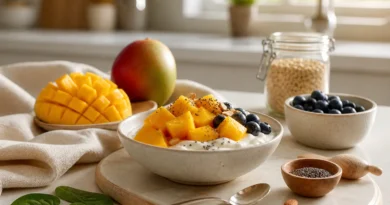
- Greek yogurt with chia and mango
- Overnight oats with chia and peanut butter
- Cottage cheese with berries and a small chia topping
Chia seeds fit especially well with fruit. Fitsnip’s guide to mango health benefits shows how portion size and meal structure change the way a fruit fits into real nutrition.
Chia seeds can be a smart daily food when you use them simply. Their strongest case is practical: fiber, fullness, texture, minerals, and an easy upgrade to meals you already eat. Their weakest case is the promise that they will transform your body, burn belly fat, balance hormones, or correct medical markers on their own.
Start small. Soak them. Pair them with protein and fruit. Keep the serving reasonable.
FAQ
What happens if you eat chia seeds every day?
Eating chia seeds every day can increase fiber intake, improve meal fullness, and add minerals and plant omega-3 fats. Benefits depend on serving size, hydration, digestion, and the rest of your diet.
How much chia seed should you eat per day?
Many adults do well with 1 to 2 tablespoons per day. Start with less if your current fiber intake is low, then increase slowly if digestion feels comfortable.
What are the side effects of chia seeds?
Possible side effects include bloating, gas, constipation, diarrhea, stomach discomfort, allergic reactions, and choking risk when dry seeds are eaten without enough liquid.
Can chia seeds reduce belly fat?
Chia seeds do not directly reduce belly fat. They may support fullness because they are high in fiber, but fat loss depends on the full diet, activity, sleep, and consistency pattern.
Do chia seeds lower cholesterol?
Chia seeds may support heart health as part of a fiber-rich diet, but human evidence on direct cholesterol reduction is mixed. They should not replace medical care or prescribed treatment.
Who should be careful with chia seeds?
People with swallowing problems, digestive disorders, low blood pressure, diabetes, kidney disease, liver disease, seed allergies, or medication use should ask a clinician or pharmacist before using chia seeds daily.
Sources
Academy of Nutrition and Dietetics. All About Chia Seeds. Reviewed November 22, 2024.
Harvard Health Publishing. Chia Seed Benefits: What You Need to Know. 2024.
Harvard T.H. Chan School of Public Health, The Nutrition Source. Chia Seeds.
Cleveland Clinic. The Many Benefits of Chia Seeds. 2025.
American College of Gastroenterology. Watch It Grow: Esophageal Impaction With Chia Seeds. 2014.
Teoh SL, Lai NM, Vanichkulpitak P, Vuksan V, Ho H, Chaiyakunapruk N. Clinical Evidence on Dietary Supplementation with Chia Seed: A Systematic Review and Meta-Analysis. Nutrition Reviews. 2018.
Taghipour-Sheshdeh F, Behzadi M, Bashiri S, Mohammadi-Sartang M. The Effect of Chia Seed on Blood Pressure, Body Composition, and Glycemic Control: A GRADE-Assessed Systematic Review and Dose-Response Meta-Analysis of Randomized Controlled Trials. Nutrition Reviews. 2025.
Karimi M, et al. Effects of Chia Seed Supplementation on Lipid Profile and Glycemic Markers: A Systematic Review and Meta-Analysis. 2024.

J.D. Wilson, PN1, is the founder of Fitsnip.com, a Precision Nutrition Level 1 Coach, certified meditation teacher, and author of The Comfort Trap: The Quiet Cost of an Unchallenged Life. His work focuses on practical, evidence-based nutrition, strength training, behavior change, sleep, stress, recovery, and everyday health decisions for adults who want clear guidance without hype. About J.D. Wilson