Best Protein Powders for Muscle Growth in 2026: A PN1 Coach’s Decision Guide
By J.D. Wilson, PN1
Updated and reviewed: April 2026
Health disclaimer: This content is for informational purposes only and is not a substitute for professional medical advice, diagnosis, or treatment. Always consult a qualified healthcare provider before making changes to your diet, supplement routine, or exercise program.
Product link note: This article includes product links for reader convenience. These are not affiliate links, and Fitsnip does not currently earn compensation if you purchase through them.
Our product reviews follow the Fitsnip How We Test process.
Quick Summary
The best protein powder for muscle growth is the one that helps you consistently hit your daily protein target without digestive issues, excessive sugar, or weak label transparency.
Whey protein is still the most practical choice for many lifters because it is complete, convenient, and easy to dose around training.
Whey isolate is a strong first look for lean lifters, lactose-sensitive users, and anyone who wants more protein with fewer carbs and fats.
Plant protein can work for muscle growth when the serving provides enough total protein and a complete amino acid profile.
Third-party testing matters. NSF Certified for Sport, Informed Sport, Informed Choice, and transparent certificates of analysis carry more weight than Amazon sales rank.
Protein powder helps close a nutrition gap. Muscle growth still depends on progressive training, enough calories, sleep, and consistent daily protein intake.
Jump to Sections
How We Chose
The 5 Muscle-Building Scenarios
Best Protein Powders at a Glance
Product Recommendations
How Much Protein Do You Actually Need?
Whey, Casein, and Plant Protein Compared
FAQ
How We Chose
This list was rebuilt from the ground up. Amazon best seller status can show popularity, but popularity does not prove label accuracy, protein quality, ingredient simplicity, digestibility, or usefulness for building muscle.
The main filter was practical muscle-building value. A good protein powder should provide a meaningful dose of complete protein, fit the user’s digestion and budget, and make daily consistency easier.
The International Society of Sports Nutrition states that many exercising individuals can support training adaptation with about 1.4 to 2.0 grams of protein per kilogram of body weight per day, which is roughly 0.6 to 0.9 grams per pound. A large meta-analysis found that gains from additional protein supplementation appeared to plateau around 1.6 grams per kilogram per day, which is roughly 0.7 grams per pound, for many resistance-trained adults.
Third-party testing was weighted heavily. Products without NSF Certified for Sport, Informed Sport, Informed Choice, Informed Protein, or clear certificate of analysis access were included only when ingredient transparency, brand reputation, and sourcing information were strong enough to partially offset the absence of sport certification. Any product without a clear sport certification is noted in its review.
For supplement safety, this matters. The FDA does not approve dietary supplements for safety and effectiveness before they reach the market. That places more responsibility on the buyer to look for testing, transparent labels, and claims that stay within reason.
Selection Criteria
Protein per serving, usually about 20 to 30 grams.
Protein source, including whey isolate, whey concentrate, casein, or plant blend.
Fit for muscle growth, especially around total protein intake and training consistency.
Third party testing or clear certificate of analysis access.
Ingredient simplicity, added sugar, sweetener profile, and filler check.
Digestibility for lactose-sensitive users or people who dislike heavy shakes.
Cost tier, meaning budget, mid-range, or premium based on normal retail pricing at the time of review.
Availability and realistic cost per serving.
Clear fit for a specific lifter scenario.
The 5 Muscle-Building Scenarios
A protein powder ranking becomes more useful when it starts with the person using it. A hardgainer, a tested athlete, and a lifter with a sensitive stomach do not need the exact same product.
1. The Hardgainer Who Struggles to Eat Enough
This lifter needs convenience first. A powder with 20 to 30 grams of protein can make breakfast, post-workout nutrition, or a second meal easier to repeat.
If calories are the real issue, the protein powder may need to be paired with oats, milk, fruit, peanut butter, or a regular meal rather than treated as a complete mass-gain solution.
Coaching check: If your body weight is not moving after two weeks, the protein powder is probably not the problem. Your total calories need to come up.
2. The Lifter Over 40 Trying to Preserve or Build Muscle
After 40, the goal is usually consistency, recovery, and enough high-quality protein across the day. A simple whey isolate, whey blend, or certified plant protein can help when breakfast is weak, appetite is inconsistent, or whole-food protein is hard to hit during busy days.
Fitsnip’s related guide, Do Men Over 40 Actually Need Protein Powder?, breaks this down in more detail.
Coaching check: A protein shake is useful when it solves a real intake problem. If your meals already cover protein well, you may need better training progression more than another supplement.
3. The Lean or Lactose-Sensitive Lifter
This person should usually start with whey isolate, hydrolyzed whey isolate, or a dairy-free protein. Isolate removes more lactose, carbs, and fat than concentrate. That does not make it automatically superior for everyone, but it can be the cleaner fit for users who want high protein without a heavier shake.
Coaching check: If a product bloats you, you will eventually stop using it. Digestibility counts as a performance variable because consistency depends on tolerance.
4. The Tested Athlete or Serious Competitor
This lifter should prioritize NSF Certified for Sport, Informed Sport, Informed Choice, or an equivalent testing program before flavor, hype, or price.
Informed Sport says certified supplements are batch-tested for banned substances before release. NSF Certified for Sport says its program helps athletes, dietitians, coaches, and consumers make safer supplement decisions.
Coaching check: If your sport, job, or reputation depends on a clean supplement record, certification is a buying criterion, not a bonus feature.
5. The Budget-Conscious Lifter
Budget matters because protein only works when you can use it consistently. A basic whey concentrate or mainstream whey blend can be the smartest choice when it gives enough protein per serving, has acceptable testing, and fits your stomach.
A more expensive isolate may be justified for digestion or certification, but price alone does not prove quality.
Coaching check: Do the math per 25 grams of protein, not per tub. A cheaper container can become expensive if the scoop is weak or the serving count is misleading.
Best Protein Powders at a Glance
Top Pick: Momentous Whey Protein Isolate, best for trust-first buyers and tested athletes.
Best High-Protein Isolate: Transparent Labs Grass-Fed Whey Protein Isolate, best for lean lifters who want a cleaner high-protein isolate.
Best Value: Optimum Nutrition Gold Standard 100% Whey, best for everyday lifters who want mainstream value.
Best for Easy Digestion: Dymatize ISO100, best for lifters who want a lighter hydrolyzed isolate.
Best for Athletes: Ascent 100% Whey, best for athletes who want Informed Sport certification.
Best Budget Pick: Myprotein Impact Whey, best for budget lifters who tolerate whey concentrate.
Best Plant-Based: Garden of Life Sport Organic Plant-Based Protein, best for dairy-free or vegan lifters.
Best Mid-Range Isolate: Sports Research Whey Protein Isolate, best for isolate buyers who want a lower-cost alternative to premium picks.
Product Recommendations
1. Best Overall Trust-First Pick: Momentous Whey Protein Isolate
Momentous Whey Protein Isolate is the strongest trust-first pick in this rebuild because it combines a simple whey isolate profile with NSF Certified for Sport status. The product page lists 20 grams of grass-fed whey protein isolate per serving and notes ProHydrolase enzymes for digestion support.
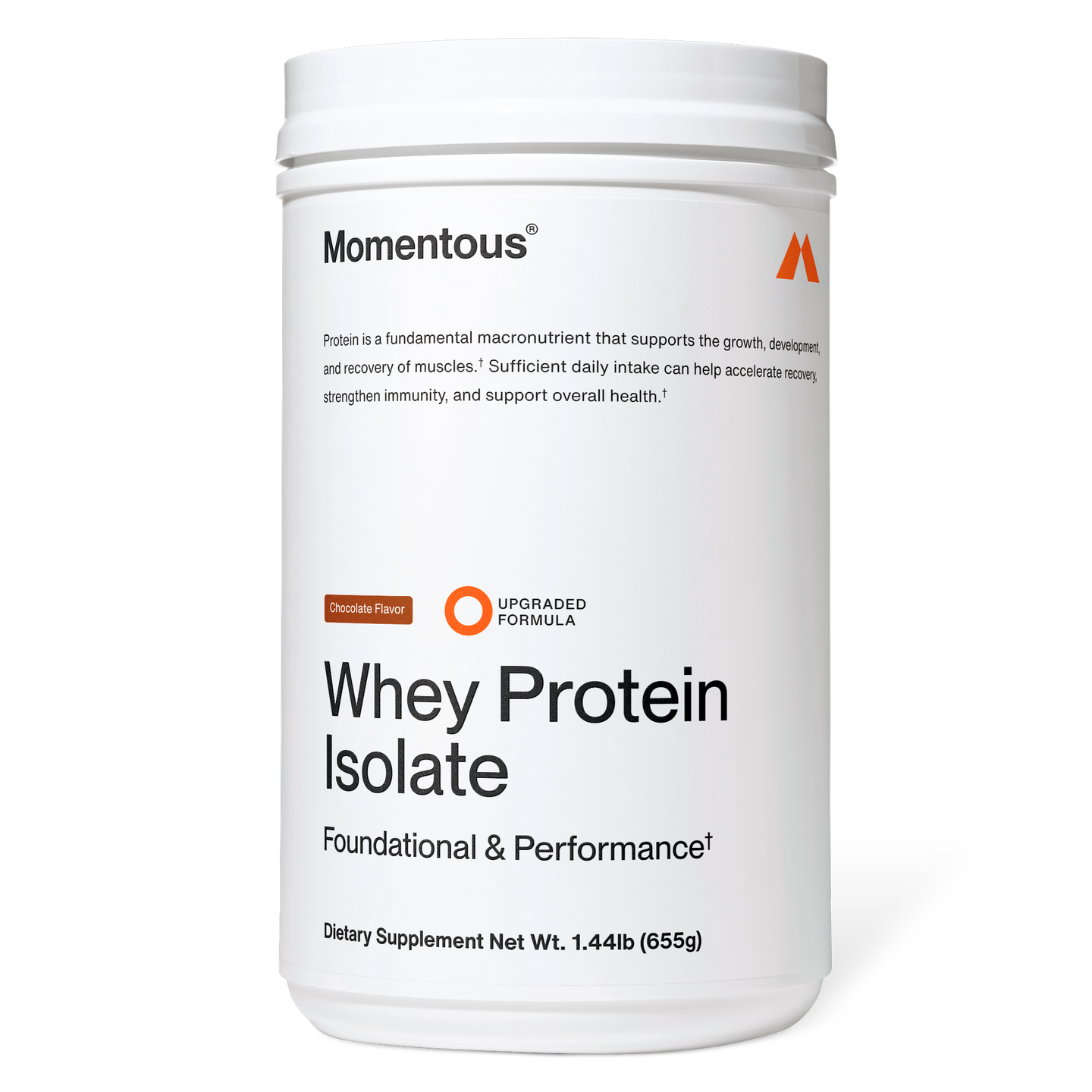
A premium whey isolate built for buyers who care about certification, ingredient simplicity, and trust. Best for tested athletes, lifters over 40, and readers who want a cleaner daily protein option.
• 20 g protein per serving
• Whey protein isolate
• NSF Certified for Sport
• Cost tier: premium
• Best for: trust-first buyers and tested athletes
The main drawback is the serving size. Twenty grams is useful, but some lifters may prefer 25 to 30 grams per shake, especially after training or when breakfast is light. That can be solved by using a slightly larger serving or pairing it with Greek yogurt, milk, or a whole-food protein meal.
Best for: tested athletes, men over 40, users who want a cleaner daily protein.
Watch out: premium price and lower protein per serving than some competitors.
Cost tier: Premium.
Fitsnip verdict: Best fit for the lifter who wants the most trust-first whey isolate and is willing to pay more for certification confidence.
2. Best High-Protein Clean Isolate: Transparent Labs Grass-Fed Whey Protein Isolate
Transparent Labs Grass-Fed Whey Protein Isolate gives 28 grams of protein per scoop and is positioned around no artificial sweeteners, food dyes, or fillers. The brand also provides testing resources, and NSF Certified for Sport listings currently appear for multiple Transparent Labs whey isolate flavors.

A high-protein whey isolate with a cleaner ingredient profile than many mainstream powders. Best for lean lifters who want more protein per scoop without artificial sweeteners, dyes, or filler-heavy formulas.
• 28 g protein per serving
• Grass-fed whey isolate
• No artificial sweeteners, dyes, or fillers
• Cost tier: premium
• Best for: high-protein clean isolate users
The caution is flavor-specific verification. Certification and testing status can vary by product, flavor, batch, or marketplace listing. Before publishing or buying, verify the exact flavor and tub being linked.
Best for: lean lifters, high-protein shakes, users avoiding artificial sweeteners.
Watch out: verify current testing documents and exact flavor before publishing.
Cost tier: Premium.
Fitsnip verdict: Best fit for the lifter who wants a high-protein isolate with a cleaner ingredient profile.
3. Best Mainstream Value: Optimum Nutrition Gold Standard 100% Whey
Optimum Nutrition Gold Standard 100% Whey remains a practical mainstream pick because it is widely available, cost-competitive, and delivers 24 grams of protein per serving. Optimum Nutrition also lists the product as banned substance tested, and select flavors have NSF labeling.
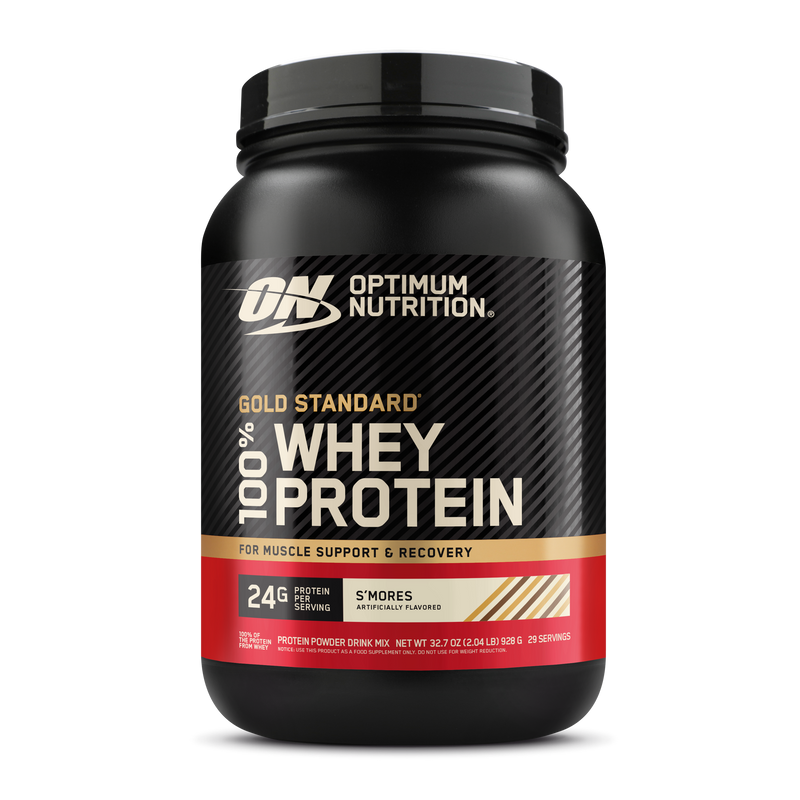
A widely available mainstream whey blend that balances protein, price, and convenience. Best for everyday lifters who want a reliable option without paying premium isolate prices.
• 24 g protein per serving
• Whey blend with isolate as primary source
• Banned substance tested
• Cost tier: mid-range
• Best for: mainstream value
This is not the cleanest ingredient profile in the category, and some flavors use sweeteners or flavor systems that ingredient-sensitive users may want to avoid. For most gym lifters, though, it is still one of the easiest products to find, compare, and afford.
Best for: everyday lifters who want a reliable whey blend at a reasonable price.
Watch out: check flavor-specific ingredients and certification labeling before buying.
Cost tier: Mid-range.
Fitsnip verdict: Best fit for the everyday lifter who wants a proven mainstream whey without overpaying for a boutique label.
4. Best Easy-Digesting Isolate: Dymatize ISO100
Dymatize ISO100 is a hydrolyzed whey isolate product with 25 grams of protein and 120 calories or fewer per serving. Dymatize describes ISO100 as filtered to remove excess lactose, carbs, fat, and sugar. That makes it a strong candidate for lifters who want a lighter shake than a standard whey blend or concentrate-based powder.

A hydrolyzed whey isolate designed for easier mixing and a lighter feel than many standard whey blends. Best for lifters who want high protein, lower calories, and better digestion tolerance.
• 25 g protein per serving
• Hydrolyzed whey isolate
• 120 calories or fewer
• Cost tier: mid-range to premium
• Best for: easy digestion and flavor variety
The tradeoff is the flavor system. ISO100 is known for flavor variety, but many users who prefer minimal ingredients may choose a simpler product. For digestion, taste, and mixability, it remains a strong option. For tested athletes, verify the exact product label and current certification status before buying.
Best for: isolate users, sensitive stomachs, flavor-driven users who still want high protein.
Watch out: check sweeteners, flavor-specific ingredients, and current testing status.
Cost tier: Mid-range to premium, depending on tub size and flavor.
Fitsnip verdict: Best fit when a standard whey blend or concentrate feels too heavy.
5. Best Simple Whey for Athletes: Ascent 100% Whey
Ascent 100% Whey is a strong athlete-friendly pick because the product page lists 25 grams of protein per serving, zero artificial flavors or sweeteners, and Informed Sport certification. That combination gives it a cleaner profile than many mainstream flavored whey products while preserving certification value.
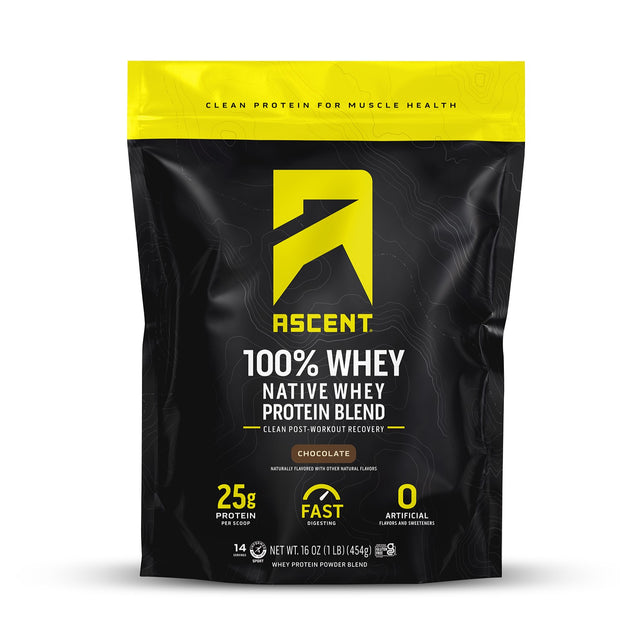
A certified whey option with a simpler flavor system than many mainstream powders. Best for athletes who want Informed Sport certification without artificial flavors or sweeteners.
• 25 g protein per serving
• Whey protein
• Informed Sport Certified
• Zero artificial flavors or sweeteners
• Best for: athletes wanting a cleaner whey
The main reason it does not rank first overall is availability and personal taste. Some users may prefer the texture or flavor range of larger brands. Still, it fits the Fitsnip filter well.
Best for: athletes who want a certified whey without artificial flavors or sweeteners.
Watch out: flavor and texture preferences vary.
Cost tier: Mid-range to premium.
Fitsnip verdict: Best fit for the athlete who wants a certified whey with a simpler flavor system.
6. Best Budget-Certified Whey: Myprotein Impact Whey
Myprotein Impact Whey is the budget pick because the product page lists 22 grams of protein per serving, 140 calories or below, and Informed Choice and Informed Protein certification.
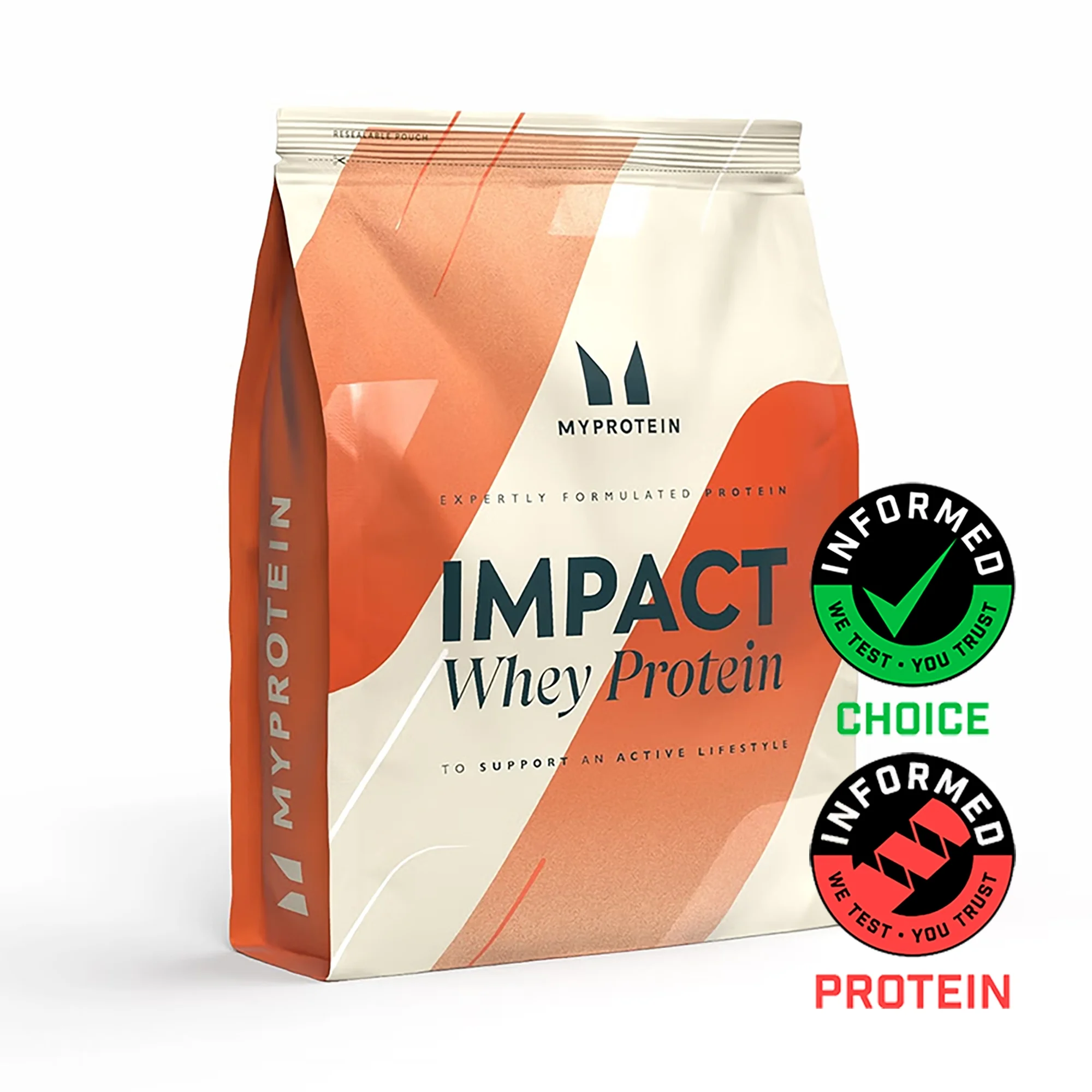
A budget-friendly whey concentrate that still carries meaningful certification signals. Best for lifters who tolerate dairy well and want a lower-cost way to hit daily protein targets.
• 22 g protein per serving
• Whey concentrate
• Informed Choice and Informed Protein certified
• Cost tier: budget to mid-range
• Best for: budget lifters
It is a whey concentrate, so it may not be ideal for lactose-sensitive users, but it gives budget lifters a cleaner decision than choosing purely by Amazon sales rank.
The best use case is simple: you tolerate whey concentrate, want lower cost, and need help hitting protein consistently. If digestion is poor, move up to isolate instead of forcing the cheaper option.
Best for: budget-conscious lifters who tolerate whey concentrate.
Watch out: concentrate may bother lactose-sensitive users.
Cost tier: Budget to mid-range, especially during frequent sales.
Fitsnip verdict: Best fit for the budget-conscious lifter who tolerates whey concentrate and wants certification without premium pricing.
7. Best Plant-Based Option: Garden of Life Sport Organic Plant-Based Protein
Garden of Life Sport Organic Plant-Based Protein is the strongest plant-based pick because NSF’s Certified for Sport listing for the line shows 30 grams of protein and categorizes it for muscle growth, recovery, and strength.
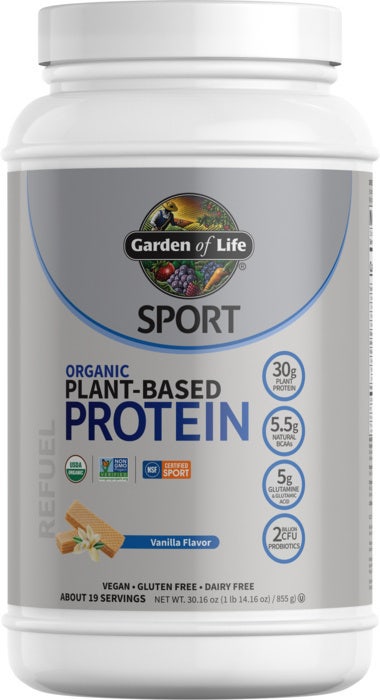
A sport-certified plant protein with a stronger trust profile than many vegan powders. Best for dairy-free lifters, vegan users, and tested athletes who need a non-whey option.
• 30 g protein per serving
• Plant-based protein
• NSF Certified for Sport
• Cost tier: premium
• Best for: dairy-free or vegan lifters
Plant proteins can be effective for muscle growth when the total protein dose and amino acid profile are strong enough. This product is not the cheapest option, but the certification stack makes it more trustworthy than many vegan powders built mainly around marketing language.
Best for: dairy-free lifters, vegan users, and tested athletes who need plant protein.
Watch out: plant powders can be thicker and may have a more earthy texture.
Cost tier: Premium.
Fitsnip verdict: Best fit for the dairy-free lifter who wants a sport-certified plant protein instead of a vague vegan blend.
8. Best Mid-Range Whey Isolate: Sports Research Whey Protein Isolate
Sports Research Whey Protein Isolate is another strong isolate option because it is broadly available and lists 25 grams of protein per serving. Sports Research also lists Whey Protein Isolate in its Informed Sport Tested collection.

A broadly available whey isolate with solid protein per serving and sport-testing visibility. Best for lifters who want a certified isolate alternative when premium picks are too expensive or unavailable.
• 25 g protein per serving
• Whey isolate
• Informed Sport collection listing
• Cost tier: mid-range
• Best for: certified isolate buyers
This is a practical alternative when you want isolate, certification, and broad availability. As always, check the current label and product page before buying because formulas, serving details, and certification marks can change.
Best for: isolate users who want certification and broad retailer access.
Watch out: check current flavor-specific labels and certification mark.
Cost tier: Mid-range.
Fitsnip verdict: Best fit for the lifter who wants a certified isolate alternative when premium picks are too expensive or unavailable.
What Protein Powder Can Actually Do for Muscle Growth
Protein powder can help you build muscle when it helps you meet total protein needs while you train hard enough to create an adaptation signal. It does not create muscle growth by itself. The muscle-building stack is still resistance training, enough food, adequate protein, recovery, and time.
The best way to use protein powder is as a gap-filler. If breakfast is low in protein, add a shake. If your post-workout meal is delayed, use a shake. If your appetite drops during a fat-loss phase, a lean isolate can help preserve protein intake without pushing calories too high.
For many lifters, the biggest win is boring consistency. A shake that helps you reach your protein target five days per week is more valuable than an impressive label that sits unused in the pantry.
If you are already consistent with protein, training, sleep, and calories, creatine may be another supplement worth understanding. Fitsnip’s guide, Creatine: Fueling Performance and Powering the Mind, covers creatine’s role in performance and brain energy, but it is marked for a future 2026-standard review.
How Much Protein Do You Actually Need?
A practical muscle-building range for many active adults is about 1.4 to 2.0 grams of protein per kilogram of body weight per day. Many lifters land near the middle of that range. For a 180-pound person, that roughly converts to about 115 to 165 grams per day.
The Morton meta-analysis found that protein supplementation increased strength and fat-free mass gains during resistance training, but benefits appeared to plateau around 1.6 grams per kilogram per day for many adults. That does not mean no one benefits from more. Cutting phases, high training volume, larger bodies, and older age can change the target. It does mean more powder is not automatically better.
A normal serving of protein powder usually gives about 20 to 30 grams of protein. That makes it a tool for one meal or snack, not your entire nutrition plan.
Whey, Casein, and Plant Protein Compared
Whey concentrate
Best for: Budget lifters who tolerate dairy.
Main advantage: Lower cost and complete protein.
Main drawback: More lactose, carbs, and fats than isolate.
Fitsnip recommendation: A good default if digestion is fine and budget matters.
Whey isolate
Best for: Lean lifters, sensitive stomachs, and high-protein shakes.
Main advantage: More protein with fewer carbs, fats, and lactose.
Main drawback: Usually more expensive.
Fitsnip recommendation: The best first look for most serious lifters.
Hydrolyzed whey isolate
Best for: Users who want easier digestion and fast mixing.
Main advantage: Processed for rapid digestion.
Main drawback: Often pricier and more flavored.
Fitsnip recommendation: Useful when regular whey feels heavy.
Casein
Best for: Nighttime or longer-gap protein.
Main advantage: Slower digestion.
Main drawback: Thicker texture and dairy-based.
Fitsnip recommendation: Useful, but not essential for most readers.
Plant blend
Best for: Vegan or dairy-free users.
Main advantage: Can be complete when blended well.
Main drawback: Texture and amino profile vary.
Fitsnip recommendation: Choose certified products with enough total protein.
What to Watch Out for Before Buying Protein Powder
Vague muscle-gain claims without clear nutrition facts.
No third-party testing, no certificate of analysis access, and no certification details.
Low protein per scoop hidden behind a large serving size.
High added sugar when the goal is lean muscle gain.
Proprietary blends that make the effective dose hard to judge.
Poor allergen clarity for milk, soy, gluten, peanuts, or tree nuts.
A product that tastes good but causes bloating every time you use it.
Who Should Be Careful With Protein Powder?
Protein powder is generally a food-derived supplement, but that does not make every product right for every person. Speak with a qualified healthcare professional before using protein powder if you have kidney disease, liver disease, a medically prescribed diet, pregnancy-related nutrition needs, a history of eating disorder behavior, or complex medication concerns.
Anyone with a milk allergy should avoid whey and casein products. Lactose-sensitive users may tolerate whey isolate better than concentrate, but a true milk allergy is different from lactose intolerance and should be treated more carefully.
Final Verdict
For most readers, the best protein powder for muscle growth is a tested whey isolate or whey blend that provides about 20 to 30 grams of protein, fits digestion, and makes daily protein intake easier to repeat.
Momentous is the strongest trust-first pick because of its NSF Certified for Sport status. Transparent Labs is the strongest high-protein clean isolate. Optimum Nutrition remains the best mainstream value. Dymatize ISO100 is the easiest isolate recommendation for lifters who care about digestion and flavor. Garden of Life Sport is the best plant-based choice in this rebuild.
The bigger rule is simple: choose the powder that fixes your real constraint. If your constraint is cost, buy a tested budget whey. If your constraint is digestion, start with isolate. If your constraint is sport testing, prioritize certification. If your constraint is total calories, remember that a protein shake alone may not be enough to grow.
FAQ
What protein powder is best for muscle growth?
The best protein powder for muscle growth is usually a whey isolate or whey blend that gives about 20 to 30 grams of complete protein per serving and has credible testing. The right pick depends on your digestion, budget, sport-testing needs, and total daily protein intake.
Is whey isolate better than whey concentrate?
Whey isolate is usually higher in protein and lower in lactose, carbs, and fat than whey concentrate. That makes it a better fit for lean lifters or lactose-sensitive users. Whey concentrate can still work well if you digest it comfortably and want a lower-cost option.
Can you build muscle with plant protein powder?
Yes, plant protein can support muscle growth when total protein intake is high enough and the powder provides a complete amino acid profile. Blended plant proteins and certified sport products are usually better choices than vague vegan powders with weak labels.
How many protein shakes should you drink per day?
Most people should use protein shakes to fill gaps, not replace most meals. One shake per day is enough for many lifters. Two can make sense during busy training blocks or fat-loss phases, but whole foods should still anchor the diet.
Should men over 40 use protein powder?
Men over 40 can benefit from protein powder when it helps them reach daily protein targets, especially during strength training, fat loss, or busy schedules. Men who already eat enough high-quality protein from whole foods may not need it.
Is protein powder safe to use every day?
For healthy adults, daily protein powder use is usually reasonable when it fits total protein needs and does not crowd out whole foods. People with kidney disease, complex medical diets, allergies, or medication concerns should speak with a qualified healthcare provider first.
What should you avoid in a protein powder?
Avoid products with weak labels, no testing information, excessive added sugar, unclear proprietary blends, or claims that sound too aggressive. Also, avoid any product that repeatedly causes digestive problems, even if the label looks impressive.
What does third-party tested mean for protein powder?
Third-party tested means an outside organization or lab has evaluated the product for issues such as label accuracy, contaminants, or banned substances. NSF Certified for Sport, Informed Sport, Informed Choice, and Informed Protein are stronger trust signals than a brand simply saying a product is high quality.
Sources
International Society of Sports Nutrition Position Stand: Protein and Exercise
https://pubmed.ncbi.nlm.nih.gov/28642676/
Morton et al., Protein Supplementation Meta-Analysis
https://pubmed.ncbi.nlm.nih.gov/28698222/
FDA, Information for Consumers on Using Dietary Supplements
https://www.fda.gov/food/dietary-supplements/information-consumers-using-dietary-supplements
NSF Certified for Sport
https://www.nsfsport.com/
Informed Sport
https://sport.wetestyoutrust.com/
Informed Choice
https://choice.wetestyoutrust.com/
Momentous Whey Protein Isolate
https://www.livemomentous.com/products/essential-whey-protein
Transparent Labs Grass-Fed Whey Protein Isolate
https://www.transparentlabs.com/products/whey-protein-isolate
NSF Certified for Sport Product Search
https://www.nsfsport.com/certified-products/
Optimum Nutrition Gold Standard 100% Whey
https://www.optimumnutrition.com/en-us/products/gold-standard-100-whey-protein-powder
Dymatize ISO100
https://dymatize.com/iso100
Ascent 100% Whey
https://www.ascentprotein.com/products/chocolate-protein-powder
Myprotein Impact Whey
https://us.myprotein.com/p/sports-nutrition/impact-whey-protein/10852500/
Garden of Life Sport Organic Plant-Based Protein
https://www.gardenoflife.com/sport-organic-plant-based-protein-vanilla
Garden of Life NSF Certified for Sport Listing
https://www.nsfsport.com/certified-products/listing-detail.php?id=1233905
Sports Research Whey Protein Isolate
https://www.sportsresearch.com/products/whey-protein-isolate
Sports Research Informed Sport Collection
https://www.sportsresearch.com/collections/informed-sport-collection
Fitsnip, Do Men Over 40 Actually Need Protein Powder?
https://fitsnip.com/protein-powder-men-over-40/

J.D. Wilson, PN1, is the founder of Fitsnip.com, a Precision Nutrition Level 1 Coach, certified meditation teacher, and author of The Comfort Trap: The Quiet Cost of an Unchallenged Life. His work focuses on practical, evidence-based nutrition, strength training, behavior change, sleep, stress, recovery, and everyday health decisions for adults who want clear guidance without hype. About J.D. Wilson