Can Ginger Slow Aging? Benefits, Limits, and Safe Daily Use
By J.D. Wilson, PN1
Last reviewed: May 2026
Medical disclaimer: This content is for informational purposes only and is not a substitute for professional medical advice, diagnosis, or treatment. Always consult a qualified healthcare provider before making changes to your diet, supplement routine, or exercise program.
Our articles follow the Fitsnip How We Research process and Editorial Policy.
Updated May 2026: This article was substantially rebuilt with new evidence, clearer safety guidance, and a more careful look at ginger and anti-aging claims. The original publish date is preserved in the article schema.
Quick Summary
Ginger has useful evidence for nausea, everyday food use, and some inflammation or oxidative stress markers. Current human evidence does not prove that ginger slows biological aging. Culinary ginger is reasonable for most healthy adults, while concentrated supplements deserve caution for people on certain medications or pregnant women.
Jump to Sections
What the science actually says about ginger and aging
The Ginger Evidence Ladder
Ginger, inflammation, and oxidative stress
The Practical Ginger Tier
Ginger claims that need more caution
Ginger safety and side effects
FAQ
What the science actually says about ginger and aging
The short answer: Ginger has useful evidence for nausea, everyday culinary use, and some inflammation or oxidative stress markers. Current human evidence does not prove that ginger directly slows biological aging, extends lifespan, or makes the body biologically younger. The best way to use ginger is as a practical food or targeted supplement with clear safety boundaries.
“Anti-aging” is easy to overuse because it compresses many different processes into one phrase.
Ginger contains bioactive compounds, including gingerols and shogaols, that have been studied for effects related to inflammation, oxidative stress, nausea, digestion, and metabolic health. Those pathways are relevant to healthy aging. They are also easy to exaggerate.
A food can support a healthier pattern without carrying the weight of a longevity intervention.
Real mechanisms can still lead to overstated claims. Ginger may support useful pathways, but that does not make it a wrinkle remedy, detox tool, or longevity shortcut.
For a similar example, our guide to mango health benefits explains how single foods can be useful inside a strong diet without carrying the job of an entire aging strategy.
The stronger healthy-aging levers are broader and more repeatable: resistance training, daily movement, sleep, protein, fiber, blood pressure control, not smoking, alcohol restraint, and a diet pattern built mostly from minimally processed foods. Fitsnip’s guide to exercise benefits beyond weight loss explains why movement affects the brain, blood pressure, strength, sleep, mood, and long-term health in ways no single food can match.
Ginger can belong in that lifestyle. It should be treated as one useful part of the pattern.
The Ginger Evidence Ladder
The safest way to judge ginger is to separate stronger evidence from early or overstated claims.
Level 1: Best-supported practical uses
These are the most practical uses.
Ginger has the strongest practical support for nausea-related uses, culinary use, and digestive comfort for some people. The National Center for Complementary and Integrative Health notes that ginger has been studied for nausea and vomiting, including pregnancy-related nausea, and that it has been used traditionally for gastrointestinal discomfort.
A 2014 systematic review and meta-analysis in Nutrition Journal found potential benefit for reducing pregnancy-related nausea symptoms, while also noting limits in the number and quality of studies.
That evidence is useful, but pregnancy still deserves personalized medical guidance. Culinary ginger is one thing. Concentrated supplements during pregnancy require more caution.
For most healthy adults, the simplest use is culinary: ginger in tea, soups, stir-fries, marinades, oatmeal, yogurt bowls, smoothies, and dressings. That keeps the dose modest and the risk lower.
Level 2: Plausible aging-support pathways
Inflammation and oxidative stress are the more plausible aging-related pathways.
Chronic inflammation and oxidative stress are involved in many health conditions associated with aging. Ginger compounds have been studied in relation to these pathways. Some trials and meta-analyses report improvements in markers such as CRP, hs-CRP, TNF-alpha, and oxidative stress markers.
Marker changes can be relevant without proving slower aging.
A lower inflammatory marker may be a useful signal. It does not automatically mean a person will live longer, look younger, or reverse biological aging. Aging is too complex for that leap.
Level 3: Overstated or early claims
These claims need the most caution.
Claims about collagen preservation, wrinkle reversal, hair growth, mitochondrial repair, detox, fat burning, younger cells, and biological age need stronger human evidence than most articles provide.
Some claims may come from lab studies, animal studies, small trials, or mechanism-based reasoning. That research can be interesting, but it cannot become a practical promise for the average person.
Use ginger for the jobs it fits, then build the rest of your healthy-aging routine around habits with stronger evidence.
Ginger, inflammation, and oxidative stress
Ginger has a reasonable evidence base for inflammation markers, but the language around that evidence needs discipline.
A 2020 systematic review and meta-analysis of randomized controlled trials in Cytokine found that ginger supplementation had a significant effect on lowering several inflammatory markers, including CRP, hs-CRP, and TNF-alpha. Those markers are often used in research to study inflammation.
That finding does not make ginger a treatment for inflammatory disease.
It means ginger supplementation has shown measurable effects in some controlled trials. The same body of evidence has limitations, including differences in study design, population, supplement dose, duration, and baseline health status.
A 2025 systematic review in Frontiers in Pharmacology looked across meta-analyses on ginger and reported signals related to inflammation, type 2 diabetes markers, oxidative stress, and pregnancy-associated nausea. It also noted concerns such as heterogeneity and bias across the available evidence.
A fair reading is that ginger looks promising for some markers, but the evidence still has limits.
What CRP and hs-CRP mean
CRP stands for C-reactive protein. It is a blood marker that can rise when inflammation is present. hs-CRP is a high-sensitivity version often used in cardiometabolic research.
If a study shows that ginger lowers CRP or hs-CRP, that may suggest an effect on inflammatory signaling. It does not prove the person is aging more slowly.
What TNF-alpha means
TNF-alpha is a signaling molecule involved in inflammation. Some ginger studies examine whether supplementation changes TNF-alpha levels.
Again, this is a marker. Markers help researchers understand pathways. They are not the same as real-world outcomes like fewer heart attacks, longer lifespan, improved mobility, or slower biological aging.
Why the inflammation data still matters
The marker data supports a practical idea: ginger may fit inside an anti-inflammatory eating pattern.
Ginger works best when it sits inside a larger eating pattern.
If ginger is added to a diet that is low in protein, low in fiber, high in ultra-processed food, and paired with poor sleep, it cannot carry the plan. If ginger is used inside a larger pattern of vegetables, legumes, fruit, lean proteins, healthy fats, strength training, and sleep, it fits better.
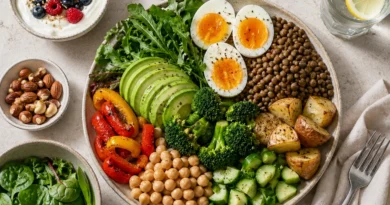
Fitsnip’s balanced plate guide gives a simple way to build that larger pattern without turning meals into a supplement routine.
The Practical Ginger Tier
Once the evidence is separated from the hype, the next question is practical: how should you actually use ginger?
Tier 1: Everyday culinary use
Best for: most healthy adults, general diet quality, flavor, and low-risk consistency.
For most people, this is the best starting point.
Use fresh or powdered ginger in:
Stir-fries
Soups
Tea
Oatmeal
Yogurt bowls
Smoothies
Salad dressings
Marinades
Rice bowls
Lentil or bean dishes
Culinary ginger works because it improves flavor without adding much sugar, sodium, or calories. That can make healthier meals easier to repeat.
This tier also keeps the dose modest. You are using ginger as food, not trying to force a therapeutic effect from a concentrated supplement.
Coaching check: If ginger helps you enjoy more whole-food meals, that is already a win. The strongest nutrition habits are the ones you can repeat without turning every meal into a project.
Practical ways to use ginger in food
Ginger tea is one of the easiest uses. Slice fresh ginger and steep it in hot water. Add lemon if you like the taste. Keep the strength reasonable if you have reflux or a sensitive stomach.
Stir-fries and rice bowls are another strong use. Fresh ginger works well with garlic, vegetables, lean protein, tofu, shrimp, chicken, rice, and noodles.
Soups and broths work well too. Ginger pairs with chicken soup, lentil soup, carrot soup, miso-style broth, and vegetable-heavy soups.
Powdered ginger can work in oatmeal with cinnamon, berries, nuts, or chia seeds. For yogurt bowls, use a small amount because ginger can become overpowering quickly.
Ginger also fits dressings and marinades. Mix it with olive oil, vinegar, citrus, garlic, soy sauce, yogurt, or herbs. This helps bring more flavor to vegetables, proteins, and whole-food meals.
Tier 2: Targeted ginger use
Best for: occasional nausea, motion discomfort, mild digestive discomfort, or specific situations where ginger is traditionally used.
This could include ginger tea, ginger chews, capsules, or measured powdered ginger. The form matters because dose is easier to estimate with capsules and harder to estimate with homemade tea.
The NCCIH ginger overview notes that ginger has been studied for nausea and vomiting. It also cautions that people taking medication should speak with a healthcare provider before using ginger or other herbal products because interactions can occur.
That makes Tier 2 useful, but more deliberate than Tier 1.
A person drinking ginger tea after a heavy meal is in a different situation than someone taking high-dose ginger capsules every day while using prescription medication.
Tier 3: Concentrated supplements
Best for: people with a specific reason, a clear product dose, and no major medication or health-condition conflicts.
Concentrated supplements deserve the most caution.
Ginger capsules, extracts, shots, and high-dose powders can concentrate intake beyond normal food use. Concentration changes the safety conversation.
A supplement also introduces product-quality issues. Dose, extract type, serving size, and third-party testing vary. Supplements can interact with medications or stack with other herbs that affect bleeding, blood sugar, or blood pressure.
For most people, concentrated ginger should be treated like a targeted tool, not a daily wellness reflex.
How much ginger per day is reasonable?
A reasonable amount of ginger depends on the form.
Culinary ginger in normal food amounts is usually the best starting point for healthy adults. That might mean fresh ginger in a stir-fry, a few slices steeped in tea, a small amount in oatmeal, or powdered ginger in a recipe.
For a simple food-based range, many people can start with:
A few thin slices of fresh ginger in tea
A small knob of fresh ginger grated into a meal
A quarter teaspoon to one teaspoon of powdered ginger across the day
Occasional ginger chews or ginger tea when nausea or digestive discomfort appears
This is food-use guidance, not a medical dose.
Supplement labels often use gram amounts, and studies vary widely. Some nausea studies use around 1 gram per day. Other trials use different forms and amounts. Because supplements concentrate intake and can interact with medications, it is better to follow the product label and get clinician guidance when medication or medical conditions are involved.
Fresh ginger, powdered ginger, tea, and shots
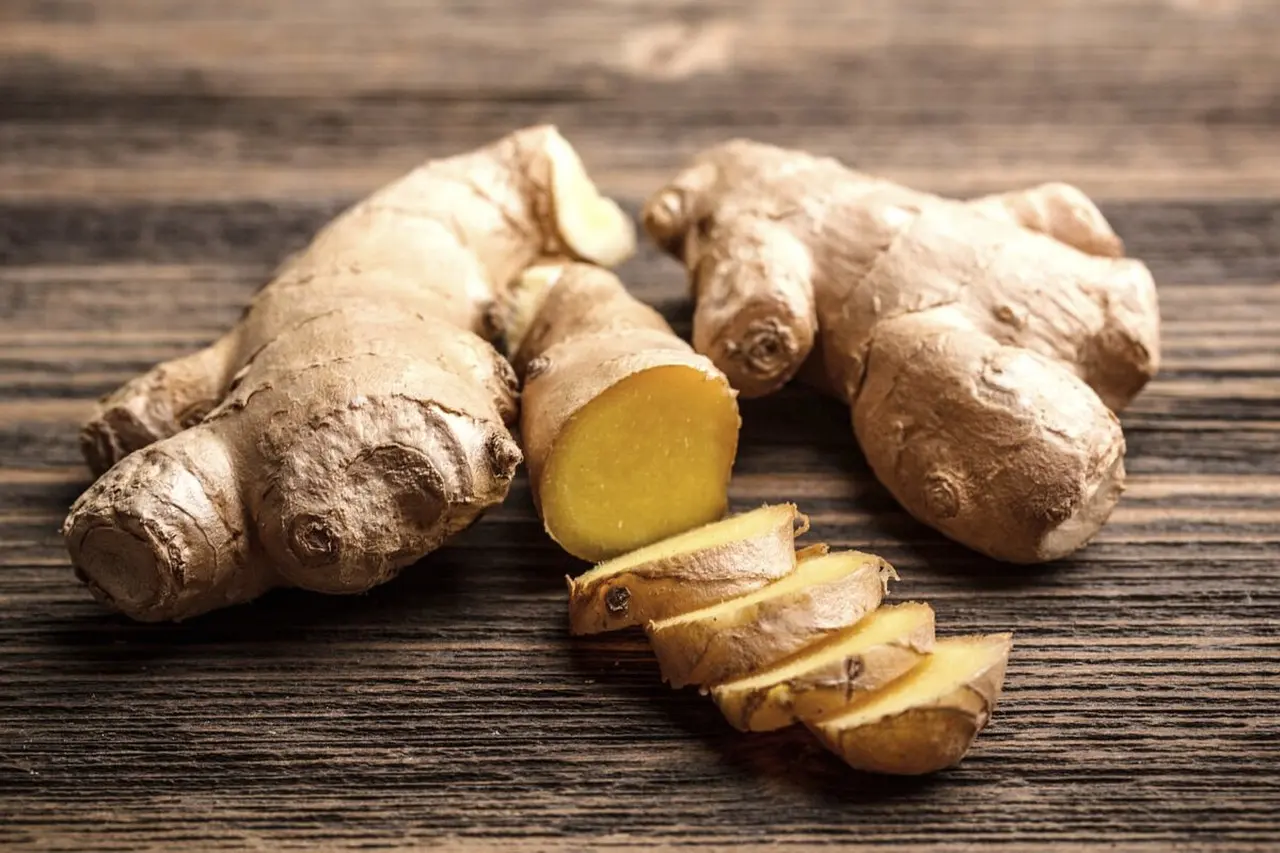
Fresh ginger works well for cooking, tea, smoothies, soups, and marinades. It has a bright, sharp flavor and is easy to use in small amounts.
Powdered ginger is convenient for oatmeal, baking, spice blends, tea, and quick meals. It is more concentrated by volume than fresh ginger, so a little goes further.
Ginger tea can be simple and useful, especially when the goal is warmth, flavor, and digestive comfort. Use it like a food habit, not a cure.
Ginger shots deserve more caution. Some are mostly juice and added sugar. Others are very concentrated. If you use them, check the label and treat them as a concentrated product, closer to Tier 3 than Tier 1.
Ginger claims that need more caution
Ginger is often marketed with a long list of anti-aging promises, especially around wrinkles, collagen, inflammation, detox, and longevity. Some claims begin with plausible biology, but practical advice needs human evidence, safety context, and realistic expectations.
Ginger can be useful. The problem comes when a useful food gets promoted as a shortcut for skin aging, fat loss, younger cells, or longer life.
Ginger and wrinkles
There is no strong human evidence that ginger reliably reduces wrinkles or makes skin look younger.
Skin aging is influenced by sun exposure, smoking, sleep, protein intake, hydration, genetics, hormones, alcohol, and total diet quality. Ginger can fit into a nutrient-dense diet, but wrinkle treatment claims go beyond current evidence.
Some ginger skin claims come from antioxidant or anti-inflammatory mechanisms. Mechanisms can help explain what researchers are studying, but they do not prove visible skin changes in everyday users.
A more careful view is this: ginger may contribute useful plant compounds inside a healthy diet, but it should not be presented as a wrinkle remedy.
Ginger and collagen
Ginger is sometimes described as protecting collagen because of its antioxidant or anti-inflammatory mechanisms.
That claim should be treated carefully.
Collagen maintenance depends on many factors: vitamin C intake, total protein, sun protection, smoking status, sleep, age, and overall health. Ginger may support a diet pattern that helps the body function well. It should not be framed as a collagen-preserving intervention.
Ginger and hair growth
Ginger is sometimes promoted for hair growth, scalp stimulation, or circulation. Strong human evidence for meaningful hair growth is lacking.
Hair loss can involve genetics, hormones, thyroid issues, iron status, stress, autoimmune disease, medications, and medical conditions. Ginger cannot responsibly stand in for evaluation when hair loss is persistent or sudden.
Ginger and mitochondria
Some early research looks at ginger compounds and cellular pathways related to energy production and oxidative stress. That can be useful for researchers, but it does not prove that eating ginger improves mitochondrial function in everyday life.
For now, the stronger advice is simple: use ginger as part of a healthy eating pattern, and rely on better-established aging supports like exercise, sleep, protein, fiber, and overall diet quality.
Ginger and detox
Ginger does not detox the body in the way wellness content often implies.
The body already has detoxification systems, especially the liver, kidneys, lungs, gut, and skin. Ginger can be part of a healthy diet, but detox claims usually turn a normal food into a marketing promise.
Ginger and fat burning
Ginger should not be described as a fat burner.
Some research looks at ginger and metabolic markers, appetite, or body composition. That research does not justify treating ginger as a weight-loss shortcut. For body composition, the larger pattern still matters most: calorie intake, protein, fiber, strength training, sleep, and consistency.
Fitsnip’s guide to superfoods for weight loss explains why no single food can replace the basic structure of a sustainable diet.
Ginger safety and side effects
Ginger is generally well tolerated in normal food amounts, but the safety conversation changes with concentrated supplements and medical conditions.
The NCCIH lists possible side effects from oral ginger, including abdominal discomfort, heartburn, diarrhea, and mouth or throat irritation. Those are usually digestive or irritation-related, but they matter if you already have reflux, gastritis, or a sensitive stomach.
Blood thinners and antiplatelet drugs
This is the biggest safety issue for many people.
High-dose ginger or ginger supplements may affect bleeding risk, especially when combined with anticoagulant or antiplatelet medications. These include warfarin, aspirin, clopidogrel, and related drugs.
The NCBI Bookshelf StatPearls review on ginger flags caution with warfarin, antiplatelet medications, and oral hypoglycemic agents. Drugs.com also notes that ginger can interact with several medication categories, especially blood thinners, diabetes medications, and blood pressure medicines.
If you take a blood thinner or antiplatelet medication, keep culinary ginger modest and speak with your clinician before using ginger supplements.
Diabetes medications
Ginger may affect blood sugar in some contexts. That is one reason it is studied in metabolic research.
For someone taking insulin, sulfonylureas, metformin, GLP-1 medication, or other glucose-lowering therapy, the practical issue is stacking effects. A food amount may be fine, while concentrated supplements can create a different level of exposure.
If you track glucose, your own readings matter. If you take medication, ask your healthcare provider before using ginger supplements.
Blood pressure and heart medications
Some sources flag possible interaction concerns with blood pressure or heart medications. The issue is usually additive effects, especially with concentrated supplements.
This does not mean a small amount of ginger in food is automatically unsafe. It means high-dose ginger products should be handled carefully when medication is involved.
Pregnancy and breastfeeding
Ginger is often discussed for pregnancy-related nausea. Some studies suggest benefit for nausea symptoms, but pregnancy is also a time when supplement decisions need professional guidance.
Culinary ginger is commonly used in food. Ginger supplements during pregnancy should be discussed with a healthcare provider, especially with a history of bleeding, pregnancy complications, medication use, or high-risk pregnancy.
Breastfeeding guidance is less clear, so supplement use should be personalized.
Surgery and dental procedures
Because of possible bleeding concerns, people often receive guidance to stop certain supplements before surgery or procedures. Ginger may belong in that conversation, especially at supplement doses.
If you have surgery, dental surgery, or a procedure scheduled, tell your care team about ginger supplements, herbal products, and other supplements you use.
Gallbladder disease, reflux, and sensitive stomach
Ginger can cause heartburn or digestive irritation in some people. If you have reflux, gastritis, gallbladder disease, ulcers, or a sensitive stomach, start small and avoid highly concentrated ginger products unless your clinician says they are appropriate.
Autoimmune, thyroid, liver, or stomach conditions
People with autoimmune disease, thyroid disease, liver disease, H. pylori infection, bleeding disorders, reflux, ulcers, gallbladder concerns, or a prescription medication plan should be more careful with ginger supplements or high-dose ginger.
Culinary ginger used in normal food amounts is usually a much lower exposure than concentrated daily supplementation. The concern rises when ginger is taken in capsules, extracts, strong shots, or large daily amounts.
If you have a diagnosed condition or take medication, ask your clinician or pharmacist before using ginger supplements. That is especially important if your condition affects bleeding risk, digestion, thyroid management, liver function, blood sugar, or immune activity.
Coaching check: Treat ginger supplements like a targeted tool. Medication use, diagnosed conditions, and high-dose supplements deserve a quick safety check before they become part of your routine.
FAQ
Can ginger slow aging?
Current human evidence does not prove that ginger slows biological aging. Ginger may support some health-related pathways, including nausea relief and inflammation markers, but that is different from proving longer lifespan or younger biological age.
Does the ginger trick really work for wrinkles?
There is no strong human evidence that ginger reliably reduces wrinkles. Skin aging is influenced by sun exposure, smoking, sleep, protein intake, hydration, genetics, and total diet quality. Ginger is better treated as a food, not a wrinkle treatment.
Is ginger anti-inflammatory?
Ginger has compounds studied for inflammatory pathways, and some trials show changes in markers such as CRP, hs-CRP, and TNF-alpha. That does not mean ginger treats inflammatory disease or replaces medication.
Is it safe to drink ginger tea every day?
For many healthy adults, modest ginger tea is reasonable. People with reflux, sensitive stomachs, bleeding risk, medication use, pregnancy, or medical conditions should use more caution, especially with strong tea or supplements.
Who should avoid ginger supplements?
People taking blood thinners, antiplatelet drugs, diabetes medications, blood pressure medications, or heart medications should ask a clinician before using ginger supplements. Extra caution is also reasonable before surgery or with bleeding disorders.
Can ginger interact with blood thinners or medications?
Yes. Ginger supplements may interact with blood thinners, antiplatelet drugs, diabetes medications, and blood pressure medicines. Culinary amounts are usually lower exposure, but medication users should ask a clinician or pharmacist before using supplements.
Is ginger safe for people with autoimmune, thyroid, liver, or stomach conditions?
That depends on the condition, medications, dose, and form of ginger. People with autoimmune disease, thyroid disease, liver disease, H. pylori, reflux, ulcers, or gallbladder concerns should ask their healthcare provider before using ginger supplements.
Sources
National Center for Complementary and Integrative Health. “Ginger: Usefulness and Safety.” NIH.
https://www.nccih.nih.gov/health/ginger
Morvaridzadeh M, Fazelian S, Agah S, et al. “Effect of ginger (Zingiber officinale) on inflammatory markers: A systematic review and meta-analysis of randomized controlled trials.” Cytokine, 2020.
https://pubmed.ncbi.nlm.nih.gov/32763761/
Paudel KR, Orent J, Penela OG. “Pharmacological properties of ginger (Zingiber officinale): what do meta-analyses say? a systematic review.” Frontiers in Pharmacology, 2025.
https://www.frontiersin.org/journals/pharmacology/articles/10.3389/fphar.2025.1619655/full
Viljoen E, Visser J, Koen N, Musekiwa A. “A systematic review and meta-analysis of the effect and safety of ginger in the treatment of pregnancy-associated nausea and vomiting.” Nutrition Journal, 2014.
https://pubmed.ncbi.nlm.nih.gov/24642205/
Bodagh MN, Maleki I, Hekmatdoost A. “Ginger in gastrointestinal disorders: A systematic review of clinical trials.” Food Science & Nutrition, 2018.
https://pmc.ncbi.nlm.nih.gov/articles/PMC6341159/
Rubin D, Patel V, Dietrich E. “Effects of Oral Ginger Supplementation on the INR.” Case Reports in Medicine, 2019.
https://pmc.ncbi.nlm.nih.gov/articles/PMC6594244/
Zick SM, Turgeon DK, Vareed SK, et al. “Phase II study of the effects of ginger root extract on eicosanoids in colon mucosa in people at normal risk for colorectal cancer.” Cancer Prevention Research, 2011.
https://pubmed.ncbi.nlm.nih.gov/21990307/
Semwal RB, Semwal DK, Combrinck S, Viljoen AM. “Gingerols and shogaols: Important nutraceutical principles from ginger.” Phytochemistry, 2015.
https://pubmed.ncbi.nlm.nih.gov/25872157/
StatPearls. “Ginger Root.” NCBI Bookshelf. Updated 2024.
https://www.ncbi.nlm.nih.gov/sites/books/NBK565886/
Drugs.com. “Does Ginger interact with any drugs?” Medically reviewed by Kristianne Hannemann, PharmD. Updated March 2026.
https://www.drugs.com/medical-answers/ginger-interact-drugs-3574035/

J.D. Wilson, PN1, is the founder of Fitsnip.com, a Precision Nutrition Level 1 Coach, certified meditation teacher, and author of The Comfort Trap: The Quiet Cost of an Unchallenged Life. His work focuses on practical, evidence-based nutrition, strength training, behavior change, sleep, stress, recovery, and everyday health decisions for adults who want clear guidance without hype. About J.D. Wilson