
Cutting Board Materials Compared: Which One’s Actually the Best?
Last reviewed: May 2026
Health disclaimer: This content is for informational purposes only and is not a substitute for professional medical advice, diagnosis, or treatment. Always consult a qualified healthcare provider before making changes to your diet, supplement routine, or exercise program.
Product link note: This article includes product links for reader convenience. These are not affiliate links, and Fitsnip does not currently earn compensation if you purchase through them.
Our product reviews follow the Fitsnip How We Test process.
A cutting board may seem like a simple kitchen tool, but the material it's made from has serious implications. From knife-edge retention to sanitation and surface wear, choosing the right cutting board matters more than most people realize. While options like wood, bamboo, metal, glass, and plastic all have their place, not all materials are created equal.
Plastic cutting boards are convenient, especially because many can go in the dishwasher, but convenience is not the same as cleanability. Over time, knife marks create grooves that are harder to wash thoroughly, which matters for food safety. If you use plastic, treat it as a replaceable tool: keep separate boards for raw meat and ready-to-eat foods, wash with hot, soapy water after each use, and replace the board once it becomes deeply scored or hard to clean.
Quick Summary
Best Overall: End-grain hardwood like maple or walnut. It’s gentle on knives, durable, and can be highly sanitary when cleaned and dried properly. In lab studies, bacteria are often less recoverable from some hardwood surfaces than from plastic.
Least Ideal: Glass and metal are rough on knives and can be slippery. Plastic can work, but it requires strict cleaning habits, food separation, and routine replacement once it is worn and heavily grooved.
Key sources used in this guide:
FDA Food Code: Cleanable food-contact surface standards [Source]
USDA: Cutting board safety and cleaning guidance [Source]
FoodSafety.gov: Preventing cross-contamination and sanitizing correctly [Source]
Full references are listed at the end.
Why Cutting Board Material Matters
Your cutting board isn’t just a surface. It’s a key tool that affects your food safety, knife health, and overall hygiene. The material you choose determines bacteria buildup, maintenance needs, and how long both your knives and the board itself will last.
What to Look for in a Cutting Board
Before we break down each material, here are the top criteria we considered:
- Knife Friendliness: Does it dull blades quickly?
- Bacterial Resistance: How sanitary is the material?
- Durability: How long will it last with regular use?
- Ease of Cleaning: Dishwasher safe or high maintenance?
- Stability: Does it slip during cutting?
- Sustainability and Safety: Is it eco-friendly and safe for food contact?
Material Comparison
Wood
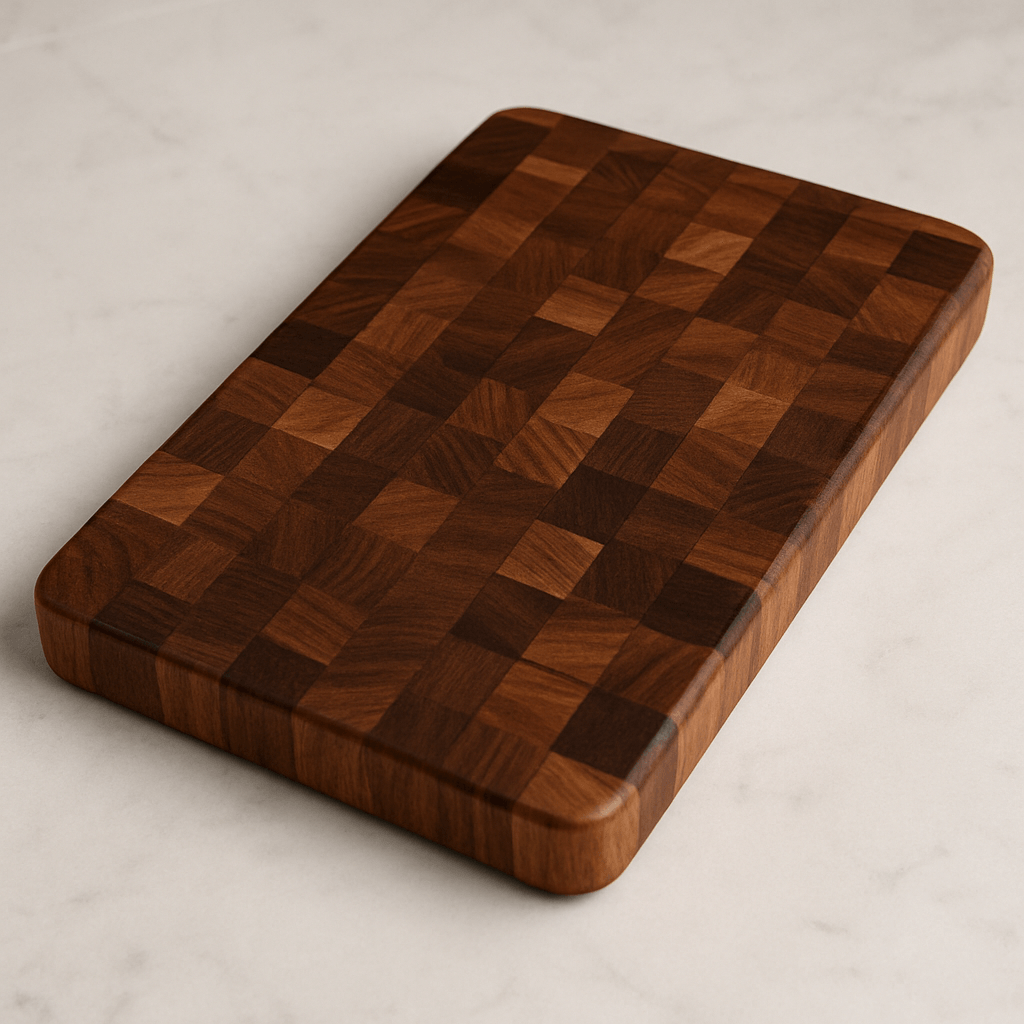
Best For: Home cooks and professionals who want a premium board.
Pros:
- Excellent for knife preservation
- Can be highly sanitary with proper washing and thorough drying; some lab studies find bacteria are less recoverable from hardwood than plastic.
- Durable (especially end-grain boards)
- Attractive appearance
Cons:
- Requires regular oiling
- Not dishwasher safe
- Can warp if soaked
Best Types: Maple, walnut, cherry, teak (hardwoods with closed grain)
Tip: End-grain boards "self-heal" from knife marks better than edge-grain.
Recommended Product:
John Boos R-Board Series Maple Cutting Board (18" x 12" x 1.5")
A professional-grade, edge-grain maple board known for its durability and knife-friendly surface.
View on Amazon
Ironwood Gourmet Charleston End Grain Acacia Wood Cutting Board (20" x 14" x 1.25")
Features a beautiful dark wood finish and sturdy construction.
View on Amazon
Bamboo
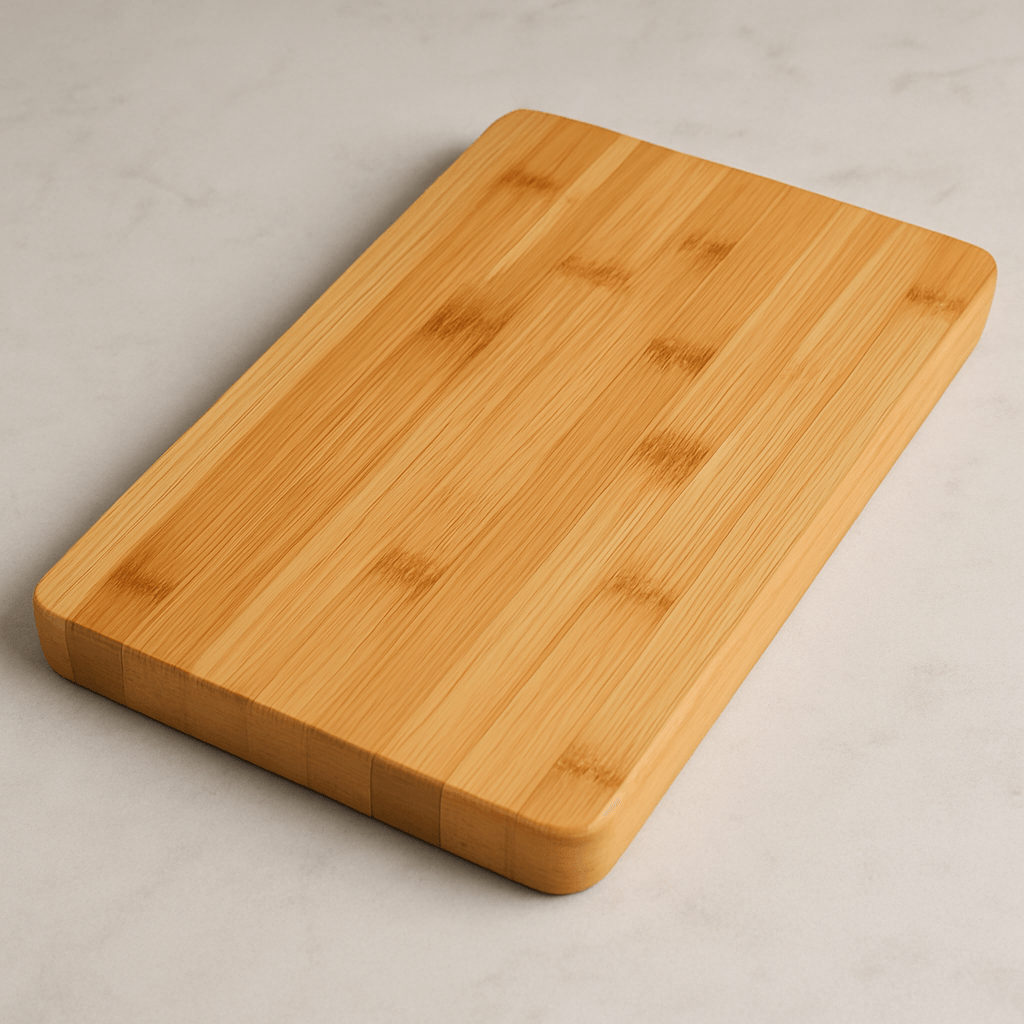
Best For: Budget-conscious or eco-minded cooks.
Pros:
- Affordable and sustainable
- Harder than most woods (resists scarring)
- Low maintenance
Cons:
- Harsh on knives due to silica content
- Can splinter over time
- Less sanitary than hardwood if not cleaned properly
Recommended Product:
Royal Craft Wood Bamboo Cutting Board Set (3-Piece)
An eco-friendly set that's gentle on knives and easy to clean.
View on Amazon
Kikcoin Extra Large Bamboo Cutting Board (20" x 14")
Offers ample space and versatility for various kitchen tasks.
View on Amazon
Plastic (HDPE)
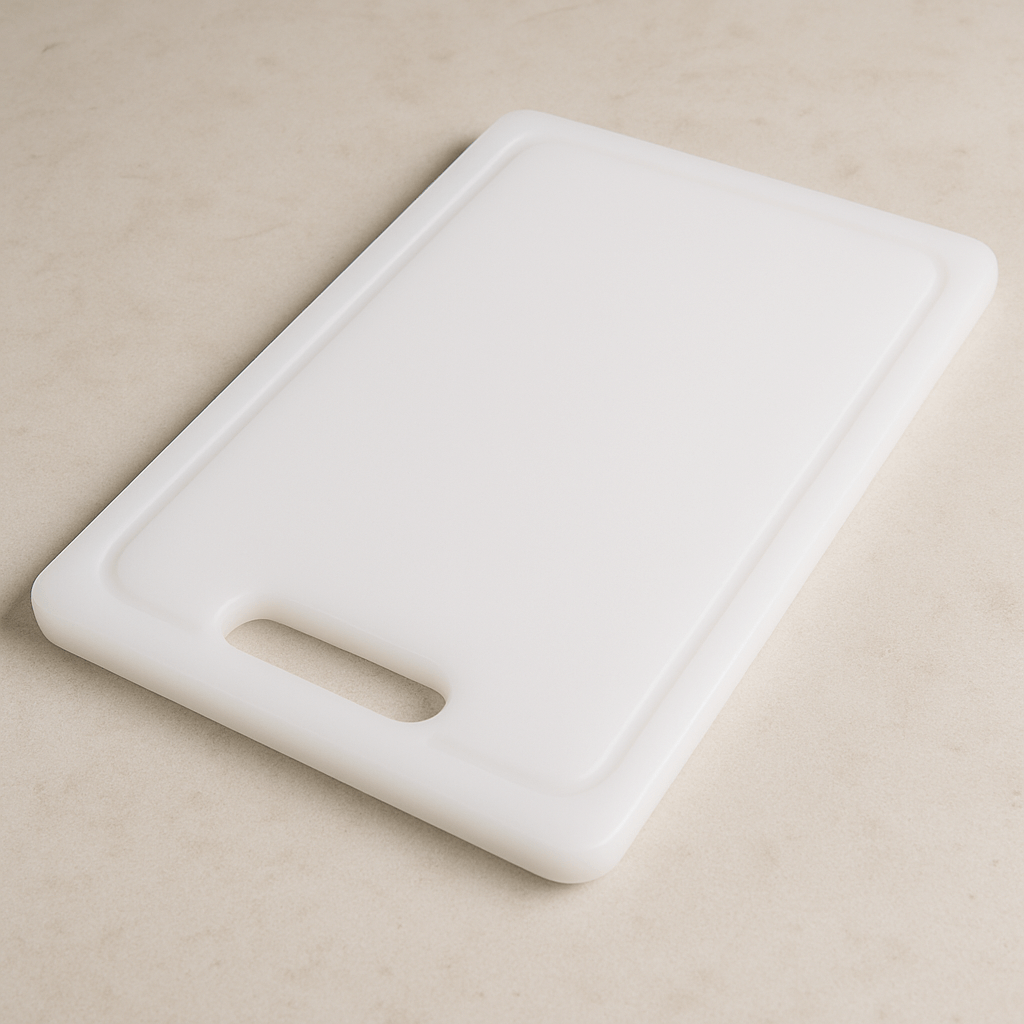
Use With Care, Replace When Worn
Pros:
- Dishwasher safe
- Lightweight and inexpensive
- Color-coded options for food separation
Cons:
- Not biodegradable
- Develops deep grooves over time, which can make thorough cleaning harder
- May shed small plastic particles as it wears. Research into microparticle generation from plastic surfaces is ongoing. From a food safety perspective, focus on maintaining surface integrity and following rigorous cleaning and replacement habits.
Note: Plastic boards can be a reasonable option when they are kept in good condition and cleaned correctly, but they tend to scar faster than hardwood. Focus on two things: separation and surface condition. Use one board for raw meat, poultry, or seafood and a different board for produce or ready-to-eat foods, wash with hot, soapy water after each use, and replace plastic boards when they become worn, cracked, or deeply grooved. If microplastics are on your radar, the practical approach is still the same: replace heavily worn plastic boards early, since surface wear is when particle shedding is most likely.
Note: If you prefer to minimize plastic wear, replace heavily scored boards early and prioritize surfaces that stay smoother over time, like hardwood.
Glass
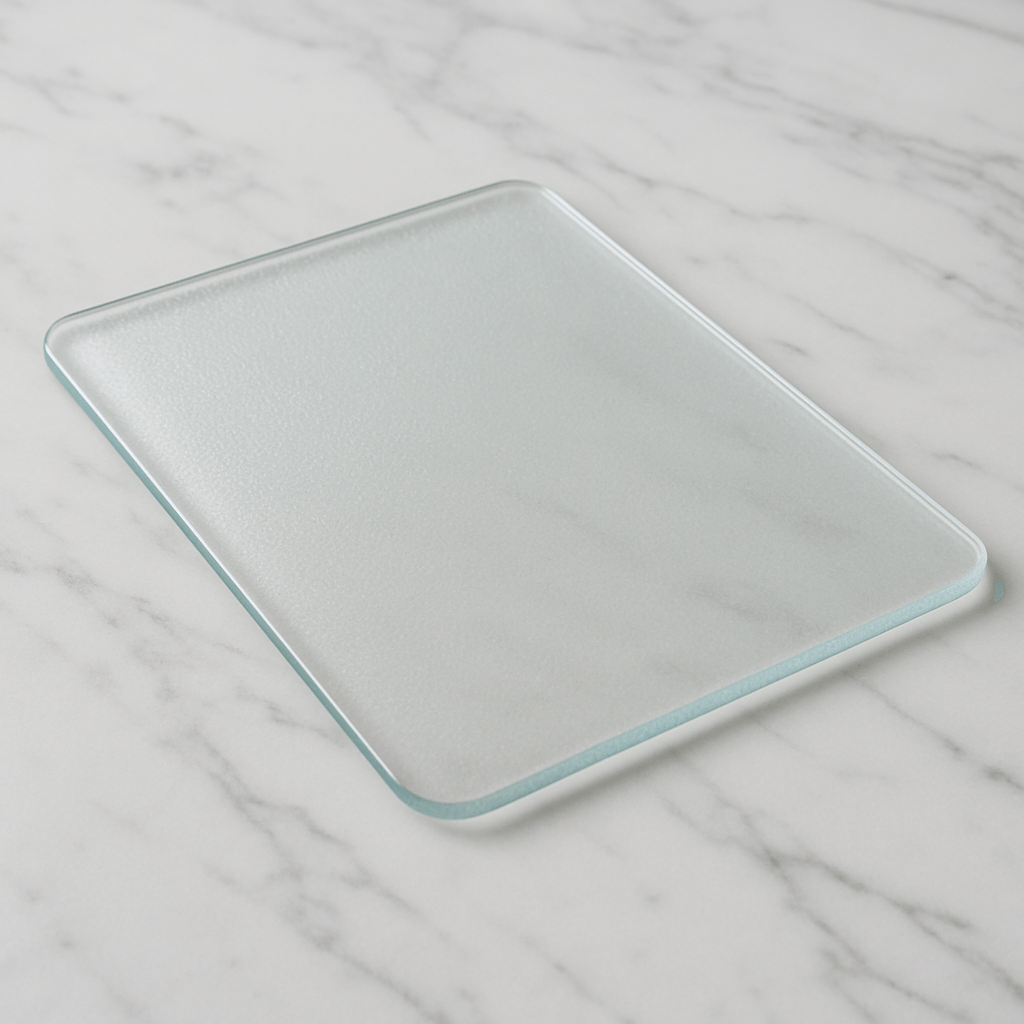
Best For: Decorative purposes only.
Pros:
- Easy to clean
- Doesn’t absorb odors or stains
Cons:
- Damages knife blades severely
- Slippery and dangerous
- Noisy and prone to shattering
Note: Glass boards may look clean, but they are a poor choice for anyone who values safety or sharp knives.
Metal
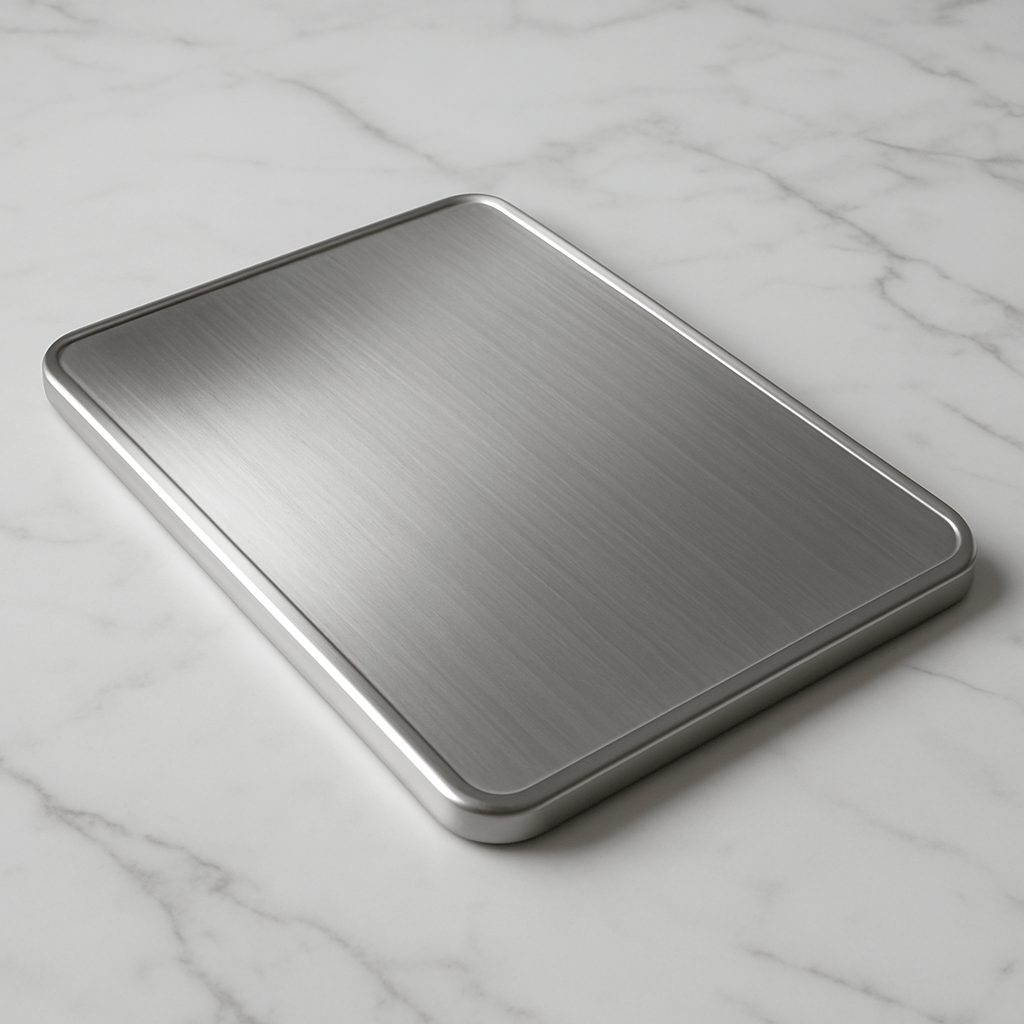
Best For: Temporary or display use.
Pros:
- Extremely durable
- Doesn’t stain or absorb bacteria
Cons:
- Dulls knives quickly
- Cold, uncomfortable cutting surface
- Slides easily unless stabilized
Note: Mostly found in specialty carving stations, not prep kitchens.
Final Recommendation: Prioritize Longevity and Sanitation
For most kitchens, a high-quality end-grain wooden board such as maple or walnut offers the best balance of sanitation, knife care, and longevity.
Plastic boards are common and can be used safely, but they are less forgiving once they get heavily scarred. If your plastic board has deep grooves, holds odors, or feels hard to scrub clean, replace it. Glass and metal are rough on knives and can be slippery, so they are rarely the best choice for everyday prep. If you want a simple upgrade, start with a surface that stays smooth and easy to clean over time.
FAQ
Q: Are wood cutting boards sanitary?
Yes. When cleaned and dried properly, hardwood boards can be very sanitary. In lab studies, bacteria are often less recoverable from some hardwood cutting board surfaces than from plastic, but that does not replace basic hygiene. Wash after use, dry thoroughly, and replace any board that is deeply grooved or hard to clean.
Q: Can I put my cutting board in the dishwasher?
Dishwasher safe depends on the material and the manufacturer. Many plastic boards are dishwasher safe, but wood and bamboo are best hand-washed and dried promptly to reduce warping and cracking.
Q: What’s the best size for a cutting board?
At least 12" x 18" gives you room to work and keeps your kitchen organized.
Q: How often should I oil my wooden board?
Once every 2 to 3 weeks or whenever it looks dry.
Sources
FoodSafety.gov: 4 Steps to Food Safety
Cutting boards of plastic and wood contaminated experimentally with bacteria
Written and fact-checked by the Fitsnip editorial team. Last reviewed January 2026. Sources available.

J.D. Wilson, PN1, is the founder of Fitsnip.com, a Precision Nutrition Level 1 Coach, certified meditation teacher, and author of The Comfort Trap: The Quiet Cost of an Unchallenged Life. His work focuses on practical, evidence-based nutrition, strength training, behavior change, sleep, stress, recovery, and everyday health decisions for adults who want clear guidance without hype. About J.D. Wilson